The Last of Us Part II Guide
Introduction
As someone who played The Last of Us Part II multiple times, I can say it’s one of the most emotionally intense gaming experiences I’ve ever had. Developed by Naughty Dog, this 2020 sequel doesn’t just continue Ellie’s story—it redefines what video games can achieve as a storytelling medium. It’s a game that stays with you long after the credits roll, challenging your perceptions of right and wrong, vengeance and forgiveness.
Storyline
Set five years after the events of the first game, The Last of Us Part II finds Ellie living in the thriving settlement of Jackson. When a tragic event shatters her world, she embarks on a brutal quest for revenge that takes her across the post-apocalyptic Pacific Northwest. What makes the story so powerful is how it explores the cycle of violence and the cost of vengeance, forcing players to confront the consequences of their actions.
The game’s narrative structure is bold and unconventional, switching perspectives in a way that challenges our assumptions about the characters. I was initially resistant to this shift, but it ultimately gave me a deeper understanding of the story’s themes and made the emotional impact even stronger.
Gameplay
Open World Exploration
The post-apocalyptic world of The Last of Us Part II is stunningly detailed:
- Jackson: A bustling settlement that feels like a real community, with its own culture and routines
- Seattle: A war-torn city divided between the WLF and Seraphites, with every street telling a story
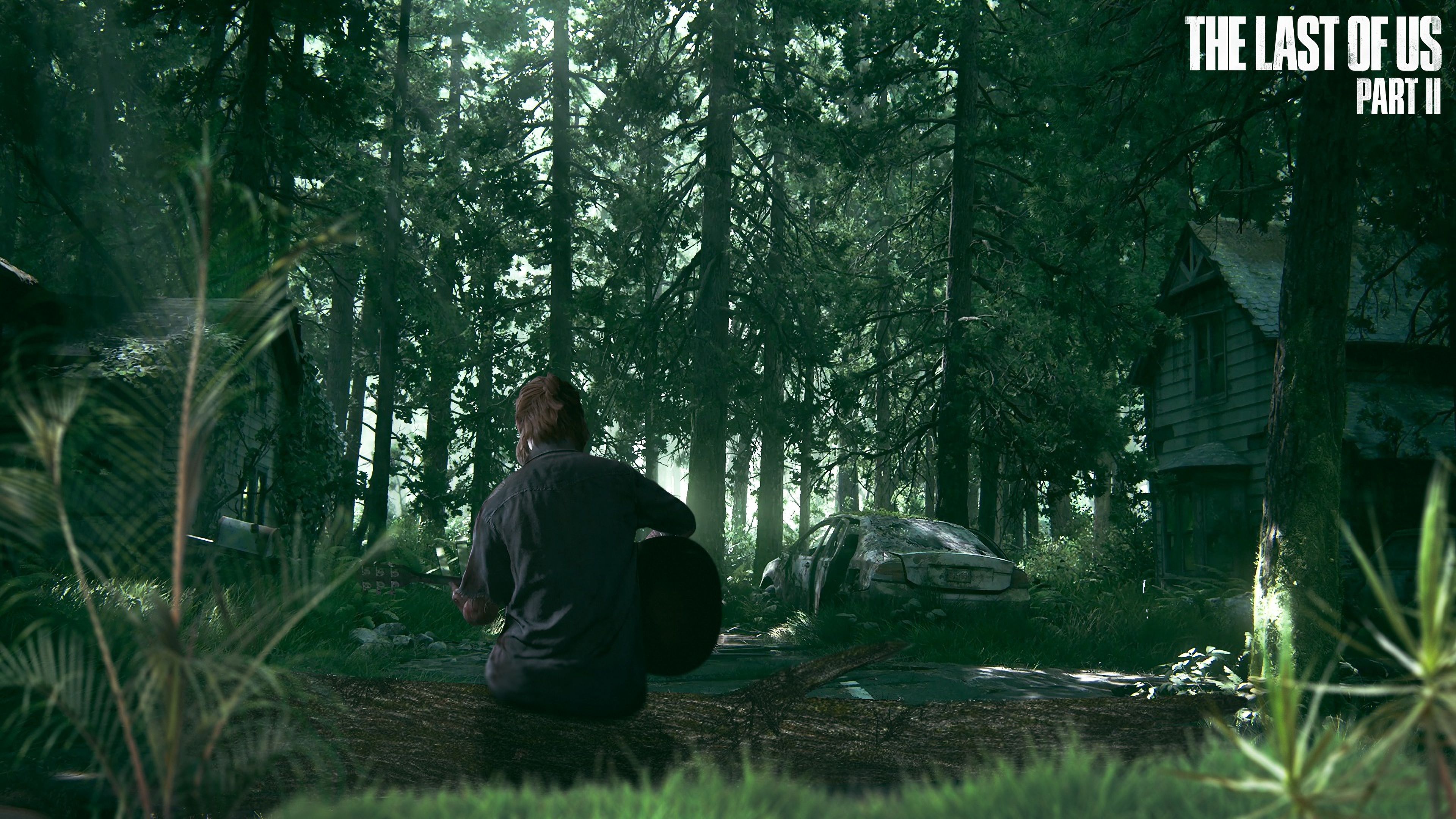
- The Pacific Northwest: Lush forests, overgrown suburbs, and decaying urban areas
- Abandoned Buildings: Each structure holds secrets and stories of the people who once lived there
I spent hours exploring every corner of this world, often getting lost in the details. The way nature has reclaimed the man-made world is both beautiful and haunting, with vines crawling up skyscrapers and wildlife reclaiming the streets.
Combat
Combat in The Last of Us Part II is visceral and brutal:
- Weapons: A realistic arsenal from pistols and shotguns to makeshift weapons like pipe bombs
- Crafting: Scavenge materials to create essential items
- Stealth: Use the environment to your advantage
- Infected vs. Humans: Different strategies required for each enemy type
- Environmental Hazards: Use fire, water, and explosives to gain the upper hand
What I appreciate most about the combat is how it never feels glorified. Each kill feels weighty, with Ellie reacting to the violence in a way that makes it clear this is taking a toll on her.
Stealth
Stealth is often the best approach in The Last of Us Part II:
- Tall Grass: Use it to stay hidden and plan your approach
- Silent Takedowns: Eliminate enemies quietly to avoid alerting others
- Distractions: Throw bottles or bricks to manipulate enemy positions
- Listen Mode: Use Ellie’s enhanced hearing to track enemy movements
- Environmental Traps: Set up tripwires and other traps to thin out enemy numbers
I became obsessed with perfect stealth runs, finding satisfaction in clearing entire areas without being detected. It requires patience and planning, but it’s often the most rewarding way to play.
Exploration and Discovery
The world is filled with stories waiting to be discovered:
- Artifacts: Letters, diaries, and notes that reveal the lives of survivors
- Hidden Supplies: Stashes of weapons, ammo, and crafting materials
- Optional Areas: Explore off the main path to find additional content
- Survivor Stories: Encounter the remains of other survivors and piece together what happened to them
Some of the most powerful moments in the game come from these optional discoveries. I still think about a letter I found in an abandoned house, written by a father to his daughter, explaining why he couldn’t protect her.
Characters
The Last of Us Part II features some of the most complex and well-written characters in gaming:
- Ellie Williams: Now 19, she’s struggling with trauma and the weight of her immunity
- Joel Miller: Her surrogate father, still haunted by the choices he made at the end of the first game
- Abby Anderson: A new character whose story challenges our perceptions of good and evil
- Dina: Ellie’s girlfriend, providing emotional support and a reason to keep going
- Jesse: A friend from Jackson who joins Ellie’s journey
- Tommy: Joel’s brother, a leader in Jackson who is deeply affected by the events of the game
What makes these characters so compelling is their flaws. None of them are perfect, and their decisions often have tragic consequences. I found myself sympathizing with characters I initially hated, which is a testament to the writing and acting.
Factions
The game’s factions are more than just enemies—they’re fully realized groups with their own beliefs and motivations:
The Washington Liberation Front (WLF)
- Structure: A well-organized militia with a military hierarchy
- Leadership: Led by Isaac Dixon, a charismatic but ruthless leader
- Resources: Well-armed and well-supplied
- Conflict: At war with the Seraphites over control of Seattle
I found the WLF fascinating because they see themselves as the good guys, protecting their community from both the infected and other human threats. But their methods are often brutal, forcing players to question the morality of their actions.
The Seraphites (Scars)
- Beliefs: A religious cult that worships a figure known as the Prophet
- Tactics: Use stealth and guerrilla warfare
- Culture: Mark their bodies with scars and communicate through a sign language
- Conflict: See the WLF as corrupt and blasphemous
The Seraphites are terrifying opponents, but the game does a remarkable job of humanizing them. I found myself questioning whether they were really the villains or just another group trying to survive.
The Rattlers
- Operation: A group of slavers who capture and exploit other survivors
- Base: A former resort turned prison camp
- Tactics: Use dogs, traps, and brute force to control their territory
- Leader: A ruthless commander who shows no mercy
The Rattlers are the closest thing the game has to pure villains, but even they have their own twisted logic for their actions.
Infected
The infected are more terrifying than ever in The Last of Us Part II:
- Runners: Fast, agile infected that swarm in groups
- Stalkers: Stealthy infected that hide and ambush
- Clickers: Blind but deadly, using echolocation to hunt
- Bloaters: Massive infected that throw spores and can withstand multiple hits
- Shamblers: New infected that release toxic gas clouds
- Rat Kings: Rare, massive merged infected that are nearly unstoppable
One of my most terrifying gaming experiences was encountering a Rat King for the first time. The combination of its size, speed, and multiple attack patterns made it one of the most challenging enemies I’ve ever faced.
Gameplay Mechanics
Crafting
Crafting is essential for survival:
- Health Kits: Heal injuries using alcohol and rags
- Molotov Cocktails: Create fire bombs using alcohol and rags
- Smoke Bombs: Create distractions using sugar and chemicals
- Shivs: Create tools for silent takedowns and opening locked doors
- Bombs: Create explosive devices using gunpowder and metal
I quickly learned to prioritize crafting materials, especially in areas where I knew I’d face tough enemies. The crafting system feels intuitive and realistic, with resources being scarce enough to make you think about every item you create.
Upgrades
Upgrading your skills and weapons is crucial:
- Workbenches: Find these to upgrade weapon damage, capacity, and stability
- Training Manuals: Collect these to unlock new skill trees
- Skill Trees: Improve stealth, combat, and survival abilities
- Weapon Attachments: Customize your weapons with scopes, extended magazines, and other upgrades
I found that investing in stealth skills early on made the game much more manageable, especially when facing large groups of enemies.
Personal Experience
My journey through The Last of Us Part II was an emotional rollercoaster:
- The Opening Hours: The sense of peace in Jackson before everything falls apart
- The Seattle Day 1: The tension of navigating a city at war
- The Perspective Shift: The shock and confusion of switching to Abby’s perspective
- The Theatre Scene: One of the most emotionally intense moments I’ve experienced in a game
- The Ending: A bittersweet conclusion that left me questioning everything I thought I knew
What struck me most about the game is how it doesn’t offer easy answers. It forces you to confront the consequences of violence and the futility of revenge. By the end, I felt emotionally drained but also deeply moved by the story Naughty Dog had told.
Tips and Strategies
Here are some tips I wish I knew when I started playing:
- Take Your Time: The game rewards exploration and taking in the details
- Use Stealth: Whenever possible, avoid direct combat to conserve resources
- Listen Mode: Use it constantly to track enemy movements
- Craft Strategically: Prioritize items based on the enemies you expect to face
- Upgrade Wisely: Focus on skills that complement your playstyle
- Explore Every Corner: You never know what valuable resources or story details you might find
Conclusion
The Last of Us Part II is more than just a game—it’s a work of art. It pushes the boundaries of what video games can achieve in terms of storytelling, character development, and emotional impact.
Some might find its themes of violence and trauma difficult to bear, but that’s precisely what makes it so powerful. It doesn’t shy away from the dark side of humanity, but it also offers moments of hope and redemption.
Whether you’re a fan of the first game or new to the series, The Last of Us Part II is an experience that will challenge you, move you, and stay with you long after you’ve finished playing. It’s a masterpiece of game design and storytelling that will be talked about for years to come.
Image path: images/games/the-last-of-us-part-ii.jpg